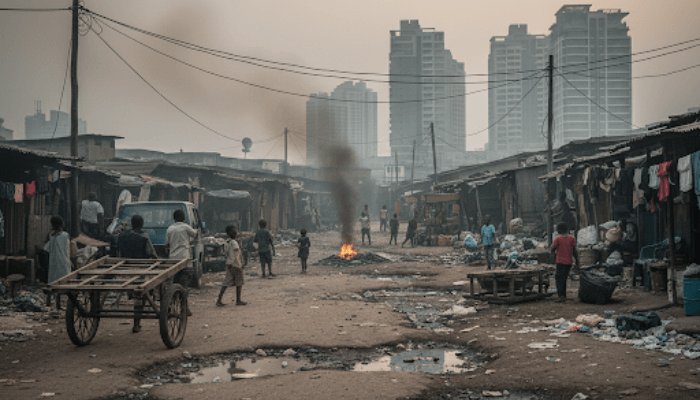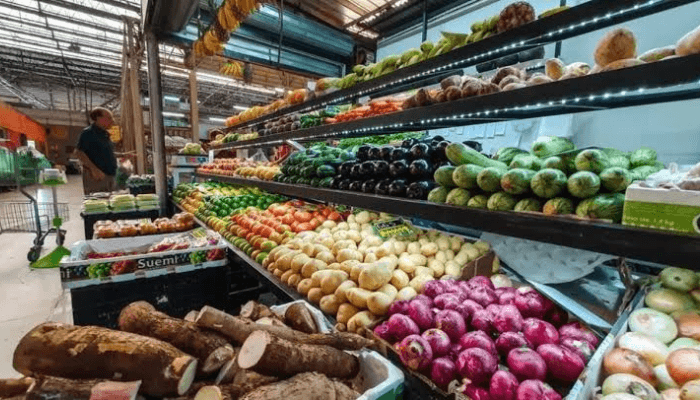
Despite its vast agricultural potential, Africa remains locked in a paradox: a continent that exports food yet cannot feed its own. Nowhere is this contradiction more evident than in Nigeria, where rice production is rising even as imports continue unabated and millions face food insecurity. The issue is not merely agricultural; it is structural, rooted in outdated models, neglected infrastructure, and policies designed for export, not nourishment. If African governments are serious about economic sovereignty, fixing the food system must come first.
In 2024, Nigeria is projected to produce 5.6 million metric tonnes of rice. Yet the country plans to import over 2.3 million metric tonnes more during the 2024/25 marketing year, according to US Department of Agriculture estimates. While locally harvested paddy accumulates in warehouses in Kebbi State, Indian rice arrives at Lagos Port. This contradiction is neither new nor unique; it is part of a continental pattern in which African nations export agricultural goods yet struggle to feed their populations.
The scale of the crisis is sobering. According to the UN Food and Agriculture Organisation, over 330 million Africans face moderate to severe food insecurity. At the same time, the African Development Bank estimates that 60 percent of the world’s uncultivated arable land lies on the continent. The problem, clearly, is not one of scarcity; it is systemic.
Read also: Why Africa still imports what it grows: The real economics of food insecurity

The roots of Africa’s food insecurity are historical. Colonial agricultural policies prioritised cash crops for export, such as cocoa, tea, and cotton, while local food systems were systematically undermined. Communal granaries were abandoned, crop rotation systems sidelined, and staple crops often discouraged or penalised. Independence did not produce the expected structural shift. Many postcolonial governments sustained the export-led model, often at the urging of external consultants and lenders.
Throughout the 1980s and 1990s, structural adjustment programmes dismantled price supports and grain reserves, reduced public spending on agriculture, and liberalised trade. These reforms, while intended to correct macroeconomic imbalances, left smallholder farmers exposed and markets underdeveloped. The long-term consequences are visible today: Nigeria lost nearly a million tonnes of rice post-harvest in 2021, largely due to inadequate storage and logistics infrastructure.
There are also serious inefficiencies in regional trade. Intra-African trade in food remains below 20 per cent. Many countries still find it easier to import food staples from Europe or Asia than from neighbouring states. Integration efforts such as the African Continental Free Trade Area (AfCFTA) remain politically attractive but practically underdeveloped.
What is required is a shift in priority from export performance to domestic food resilience. This begins with targeted investment in rural infrastructure: feeder roads, decentralised storage facilities, and local processing centres. It also requires a financial ecosystem that supports smallholder farmers with access to affordable credit and land tenure security.
Importantly, policy reform must reflect the voices and realities of those who grow the food. Smallholders produce up to 90 percent of Africa’s food, yet they remain peripheral to decision-making. As long as food policy is driven by external blueprints and elite interests, Africa will continue to export its produce while importing its meals.

There is a broader lesson here for development partners and multilateral institutions. Building food systems that serve African populations must go beyond calorie counts and yield forecasts. It demands investment in governance, institutional capacity, and knowledge systems that recognise the cultural and ecological specificity of local agriculture.
Read also: Africa food imports may rise to $110bn in 2025 if.. – SAA
Africa does not lack potential. It lacks coherence and political alignment between policy and practice. The continent has the land, the labour, and increasingly, the technology. What is needed now is a policy agenda focused on nutrition, sovereignty, and resilience, not just trade balances and global rankings.
Ultimately, the aspiration for genuine economic growth and lasting prosperity across Africa will remain an unfulfilled promise until the continent can reliably and affordably nourish its people.
Food security is not merely a statistic to be managed or a humanitarian concern to be addressed; it is the bedrock of national stability, human dignity, and true strategic autonomy.
Investing in robust, Africa-centric food systems is not an optional developmental add-on but the foundational imperative upon which all other ambitions must be built.
It is about cultivating not just crops, but resilience, self-sufficiency, and a future where every African can thrive, secure in the knowledge that their basic needs are met by their land and labour.