As the countdown to Eid al-Adha 2025 begins, Nigeria’s leading livestock supplier, Farm Zone, has rolled out its highly anticipated 2025 Livestock Price Catalogue, offering an extensive range of halal-certified rams, goats, and cows for the festive season. Designed to accommodate both individual and commercial buyers, the catalogue sets a new industry benchmark in price transparency, customer experience, and nationwide accessibility.
With prices starting at ₦90,000 for goats, ₦130,000 for rams, and ₦550,000 for cows, Farm Zone is positioning itself as the go-to source for families, retailers, and institutions planning for the Sallah sacrifice. Premium cattle options go up to ₦3 million, catering to buyers with specific preferences for breed size and ceremonial significance.
A catalogue with a purpose
Eid al-Adha, also known as the “Festival of Sacrifice,” is a major religious event for Muslims worldwide, with livestock playing a central role in the spiritual observance. In Nigeria, the demand for healthy, halal-compliant animals typically surges in the weeks leading to the holiday. Farm Zone’s 2025 catalogue is designed to meet this demand with clarity and convenience.
“This isn’t just a price list—it’s a tool to plan Sallah properly,” said Bashir Salami, CEO of Farm Zone, during the official launch in Lagos. “We’ve simplified the process so every household—regardless of size or budget—can participate fully in the festivities without financial or logistical stress.”
The catalogue is now available for digital download, allowing buyers to browse options from anywhere in the country. Each listing includes weight class, breed type, care information, and estimated slaughter yield, giving customers the transparency needed to make informed choices.

Competitive pricing amid economic pressures
Salami noted that the company deliberately kept prices stable despite persistent inflation and rising costs in the logistics and agricultural supply chain. “Our strategy this year was to absorb part of the cost so we can support families during this important season. This is not just business for us—it’s a cultural and religious responsibility,” he said.
To further ease the purchase process, Farm Zone offers flexible payment plans, bulk order discounts, and free value-added services such as animal care, slaughter, professional processing, and nationwide delivery. These services, often outsourced or left to the customer in traditional markets, are bundled into each sale at no extra charge.
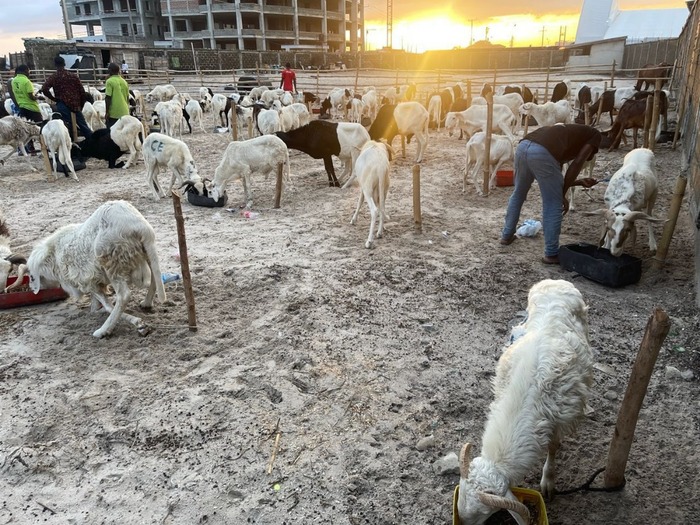
In preparation for increased demand, Farm Zone has expanded its physical footprint with livestock yards in Lagos, Abuja, and Katsina, backed by a growing network of trained veterinary personnel and logistics staff.
The company’s nationwide delivery system has also been enhanced to ensure timely fulfillment across all 36 states. “Whether you’re buying a single ram or ordering 100 cows for corporate gifting or community distribution, we guarantee delivery and health compliance,” Salami added.
Farm Zone’s model reflects a shift in consumer behavior, especially among urban and diaspora-linked buyers who prioritize convenience, hygiene, and trust. As Nigeria’s livestock market continues to modernize, catalogues like Farm Zone’s are setting a new standard in digital engagement and consumer assurance.
For many Muslim families preparing for the 2025 Eid sacrifice, the message is clear: Farm Zone is not just selling animals—it’s selling peace of mind.