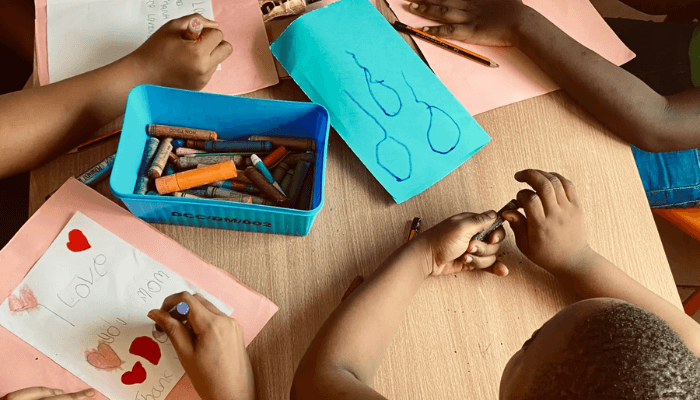
In classrooms across Nigeria, countless children with learning disabilities are being left behind—not because they lack potential, but because schools are failing to recognise and respond to their unique needs.
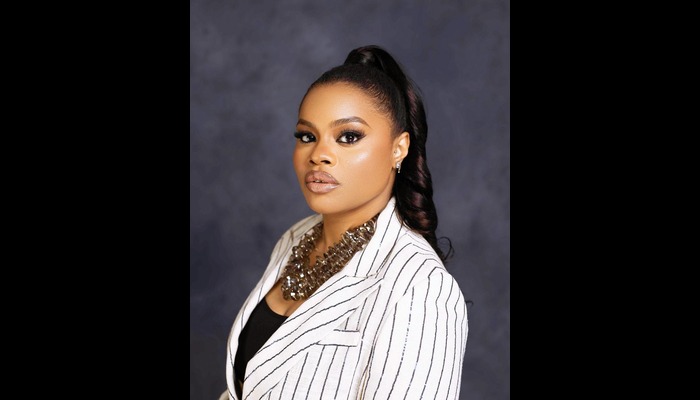
Toyin Oboh, educator, parent coach, and founder of Jewels Leading Lights Schools, is calling for a transformative shift in how schools engage with and support these children and their families.
“Too often, parents sit in meetings with teachers, desperately seeking help, only to be told their child simply needs more discipline,” said Oboh. “What they really need is understanding, support, and a system that sees their child as capable, not problematic.”
Oboh shares her personal experience as a school leader, recalling moments with parents whose concerns were often dismissed. One particularly moving case involved a mother whose once-curious daughter became withdrawn. Through proper observation and collaboration, the school team identified undiagnosed dyslexia. With targeted support, the child flourished. “That experience reaffirmed what I’ve always believed—when schools and parents work together, children thrive,” said Oboh.

The current reality, however, is far from this ideal. Many parents struggle to find the right words to explain what they observe at home. They’re met with indifference, blame, or silence from educators who lack the necessary training in special needs education. According to Oboh, the issue stems from a lack of awareness, weak communication systems, and a lingering societal stigma around disabilities.
Read also: Reaching over 23,000 children isn’t just a metric, it’s a movement of hope – Osuntuyi
Oboh emphasises that meaningful change begins with empowering teachers to recognise learning differences like dyslexia, ADHD, and speech delays. She advocates for professional development, referral systems, and equipping classrooms with adaptable tools to support diverse learners. “The classroom should be the first place of intervention, not frustration,” she said.
Another critical step, she argues, is building honest, compassionate relationships between parents and schools. Open dialogue, shared resources, and empathetic listening must become the standard. “Parents are experts on their children. Schools must treat them as partners, not problems,” Oboh said.
To truly support students with additional learning needs, Oboh calls for inclusive systems within schools—dedicated special education coordinators, individualised learning plans, and tools like visual aids or extra time for tasks. “Inclusion isn’t just about access; it’s about adaptation,” she explained.

Inclusion, she adds, must also extend to the school’s culture. By celebrating diverse learning styles, teaching empathy, and sharing stories of student success, schools can foster a mindset that values every child equally. “When we normalize support and celebrate progress, we reshape how future generations see disability and diversity,” Oboh said.
Her message is clear: supporting parents of children with learning disabilities is not a luxury—it’s a responsibility. Schools must move beyond token efforts and build systems rooted in empathy, collaboration, and inclusion.
For schools ready to begin this journey, Oboh encourages them to start small—by listening more, communicating better, and working in partnership with parents. “Every child, regardless of their challenges, deserves the chance to learn, grow, and shine,” she concluded.
Toyin Oboh is an educator, parent coach, and founder of Jewels Leading Lights Schools. With a passion for inclusive education and a deep commitment to supporting families, she is a leading voice in special needs advocacy in Nigeria.