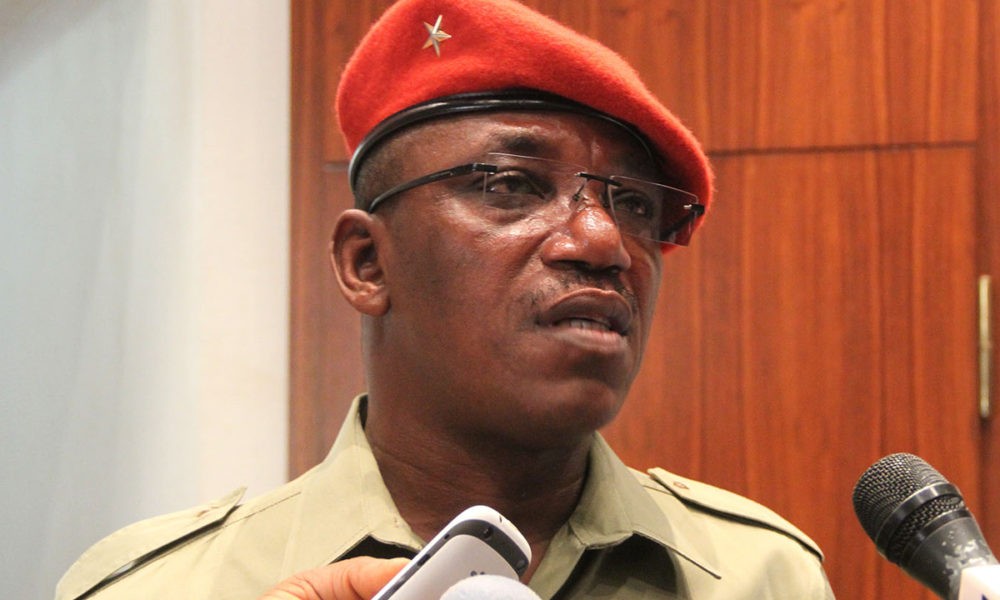
Solomon Dalung, a former Minister of Youth and Sports has alleged that President Bola Ahmed Tinubu’s administration is surrounded by a more dangerous and sophisticated cabal than that of his predecessor, Muhammadu Buhari.
Dalung who served in President Buhari’s first term made the assertion recently during an interview on the “Mic On” podcast hosted by Seun Okinbaloye on channels television, described the group around Tinubu as a highly experienced and informed one, entrenched in politics for a long time.
Dalung, the Plateau state-born activist emphasized that Tinubu’s cabal possesses a unique set of qualities, making it far more formidable than any other political group he had encountered.
According to Dalung, the members of the cabal are well-versed in the intricacies of power, understanding governance at a deep level, which gives them a considerable advantage in influencing the president’s decisions.

“They know power, they are informed, and so they are more dangerous than any other cabal I have ever known or seen,” Dalung remarked.
The former minister further elaborated on the role of the cabal, describing them as gatekeepers who control access to President Tinubu. He claimed that these individuals shield the president from the realities of governance, preventing important information from reaching him, and thus hindering effective decision-making.
Dalung drew a comparison between the current administration and Buhari’s tenure, recounting an instance during the former president’s time in office when a briefing was blocked to prevent overwhelming him. He pointed out that such instances were not isolated and reflected a broader trend of shielding the president from crucial information, ultimately affecting governance.
“These people don’t allow governance to flow. They shield the president from obvious reality and don’t allow any information to reach him,” Dalung said. This according to him, creates a situation where decisions are made without proper understanding of the ground realities.
His comments reflect a growing concern over the influence of power brokers in the current administration and their potential impact on the direction of governance in Nigeria.

It has also ignited fresh debates surrounding the power dynamics in Nigerian leadership, particularly the role of influential groups that control access to the president. Critics have often raised concerns about the negative impact of such cabals on transparency, accountability, and effective governance.
Dalung’s remarks further contribute to the ongoing discourse on the influence of political elites in Nigerian governance, with many questioning whether the concentration of power in the hands of a few can hinder the country’s progress and undermine democratic values.