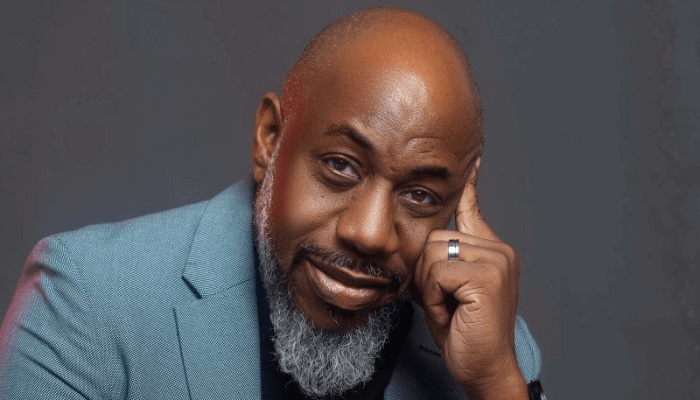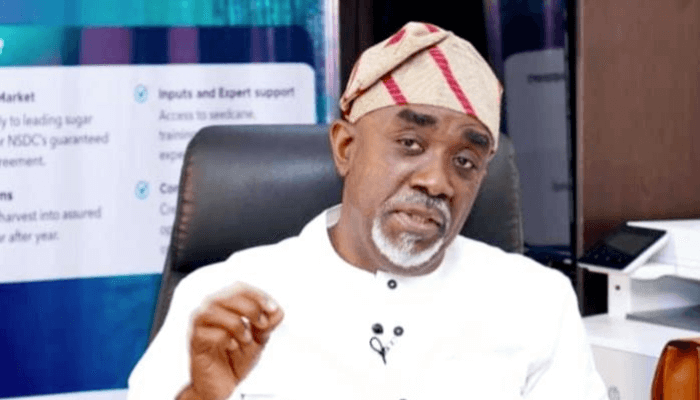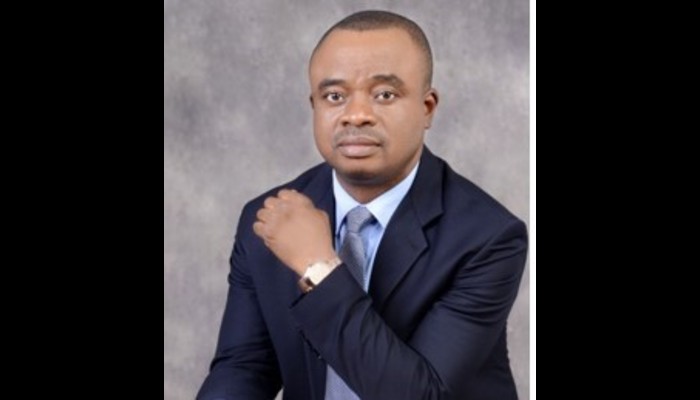
With nearly twenty-five years of diplomatic service spanning West Africa, Europe, Asia, and North America, Ambassador-in-situ Anthony Nnamdi Alonwu represents a generation of Nigerian diplomats shaped by global transition eras. From his early work at the Ministry of Foreign Affairs in Abuja to his roles in Geneva, Beijing, the African Union Division, and most recently Washington D.C., he has been at the centre of Nigeria’s engagements on security, multilateral reform, trade diplomacy, and great-power competition.
In this exclusive conversation with BusinessDay, Alonwu reflects on Nigeria’s evolving foreign policy, the lessons learned from four continents, and the future of diplomacy as global power structures shift.
You’ve served in Geneva, Beijing, Washington D.C., and in key policy roles at the Ministry of Foreign Affairs. How has this global journey shaped your understanding of Nigeria’s foreign policy priorities?
My career has shown me that Nigeria’s foreign policy is most effective when it is anchored on clarity, consistency, and strategic engagement. Every posting revealed different facets of our national interests. Geneva exposed me to the world of multilateral diplomacy—human rights, humanitarian law, migration, trade governance, and disarmament. Beijing showed the importance of engaging emerging powers with both pragmatism and foresight. My work in Washington D.C. centred on security cooperation, economic reforms, and strengthening Nigeria’s voice in U.S. policy spaces.
Across all these environments, one lesson stands out: Nigeria must always approach diplomacy with long-term thinking. Short-term reactions weaken our leverage internationally, but when we act from a place of strategic coherence, whether on ECOWAS leadership, counterterrorism, energy diplomacy, or multilateral reforms; we earn partners’ respect and secure better outcomes.

In your view, what are Nigeria’s most pressing foreign-policy priorities as of 2023?
Nigeria’s priorities are shifting because the world itself is shifting. First is security cooperation. The complexity of terrorism, organized crime, cyber threats, and regional instability in the Sahel makes security diplomacy essential. We cannot address these challenges alone, so partnerships with the African Union, ECOWAS, the U.S., U.K., and China all matter, but must be aligned with our national interest.
Second is economic diplomacy, particularly investment attraction. With global capital more selective than ever, Nigeria must position itself as a stable, predictable environment. This requires engagement at the level of policymaking, not just marketing. When investors understand our reform trajectory and see policy coherence, investment flows increase. Third is migration and human capital mobility.
Many Nigerians migrate, but without structured bilateral frameworks, both countries lose more than they gain. Ethical recruitment standards, skills-exchange programs, and diaspora investment channels should be central to our foreign policy.
Fourth is multilateral influence. Institutions like the AU, ECOWAS, and the UN are evolving. Nigeria needs to maintain a leadership posture, not just a participant posture, particularly in peacekeeping, conflict prevention, and continental economic integration.
You spent four years in Geneva, one of the world’s diplomatic centres. What were your biggest takeaways from working there?
Geneva is where diplomacy becomes technical, rules-based, and highly coordinated. My work involved Africa-focused humanitarian negotiations, global health diplomacy, disarmament discussions, and engagement with institutions such as WHO, ILO, WTO, and the UN Office in Geneva.

Two things became clear. First, policy literacy is power. The countries that thrive in Geneva are those that understand how global norms are shaped and know how to influence them early. Second, Africa’s voice is critical but often under-represented. Nigeria, as a major African power, must be present, vocal, and strategically aligned with other countries on issues like migration governance, labour mobility, and global health financing.
My time in Geneva reinforced my belief that Nigeria must invest more in diplomatic capacity, technical expertise, negotiations training, and long-term continuity in multilateral engagement.
After Geneva, you moved to Beijing. China has become a major global actor. How did that experience influence your diplomatic outlook?
China offered a different pace and style of diplomacy, deliberate, long-term, and deeply strategic. Being in Beijing helped me appreciate how emerging powers shape global conversations through infrastructure financing, technology, and trade.
Nigeria’s relationship with China is multifaceted. There are real opportunities in infrastructure, power, digital economy, and vocational training. But we also have to engage with balance and attention to detail; knowing what strengthens our economy and what could create dependency. The key is diversification of partners. China is important, but it should be one pillar within a broader, diversified diplomatic and economic strategy.
In Washington D.C., you worked on high-level engagements with U.S. officials. How does U.S.–Nigeria engagement compare with other bilateral relationships?
The U.S. remains one of Nigeria’s most influential partners because of security cooperation, trade ties, financial governance, and the large Nigerian diaspora in America.
During my time in Washington, I saw first-hand how diplomacy can succeed when there is policy clarity from our side. For example, discussions around counterterrorism support, development finance, migration policy, and economic reforms were strongest when Nigeria articulated clear positions. The U.S. admires countries that are organized, forward-looking, and accountable. When we present ourselves in that manner, our leverage increases dramatically.
Engagement with the U.S. requires preparation, consistency, and strong inter-agency coordination. It is a relationship with enormous potential—as long as Nigeria shows strategic coherence.
Based on your experience, what would you identify as Nigeria’s biggest foreign-policy blind spot?
Our biggest blind spot is the gap between policy formulation and sustained policy implementation. Nigeria often launches excellent frameworks on security, economic diversification, diaspora engagement, or multilateral participation but consistency weakens over time. Foreign policy needs continuity across administrations because global actors respond to predictability.
Another issue is the underutilization of our diaspora in diplomacy. Nigerian professionals around the world are excelling in technology, academia, medicine, finance, and security. They are an untapped diplomatic asset. And finally, we must deepen economic intelligence within our missions abroad. Understanding global market shifts should inform our domestic economic reforms and private-sector strategies.
With nearly 25 years of diplomatic service, what principles have guided your career?
Three principles have anchored my work. First is clarity of purpose: a diplomat must always know the objective of every meeting or negotiation. Second is discipline: in analysis, documentation, and engagement. Third is national interest, which must always be above personal preference. Diplomacy is not glamorous. It is detailed, technical work that requires patience, learning, and constant adaptation. What has kept me grounded is the belief that Nigeria’s global role is significant, and every contribution—no matter how small—shapes our standing in the world.
Finally, what do you believe Nigeria’s diplomatic future should look like?
Nigeria’s diplomatic future must align with three pillars, first is continental leadership anchored in peace, security, and economic integration. Secondly, global engagement driven by technical capacity and predictable policy and lastly, a more structured approach to diaspora diplomacy and economic intelligence.
If Nigeria can strengthen these pillars, we will not only protect our interests but also shape Africa’s voice in the global system. As geopolitical rivalries intensify and the world becomes more interconnected, Nigeria must stand as a stable, credible, and strategically prepared actor. That is the path toward maintaining influence and securing long-term national progress.