Unlike the general belief that diabetes is caused by consuming a large amount of sugar, it is a chronic metabolic disorder with strong hereditary basis, characterized by high levels of sugar in the blood (hyperglycemia).
Diabetes is a condition whereby sugar isn’t transferred successfully from the blood to the cells, it is caused due to deficiency of insulin or resistance to insulin or both. Insulin (a hormone), is secreted by β-cells of the pancreas to control blood sugar levels.
It is one disease that provokes the greatest concern on diet and proper management leads to better life expectancy.
Diabetes mellitus is broken into 5 groups;

Pre-diabetes – Fasting blood sugar (FBS) or glucose tolerance is slightly higher than normal but not within diabetic range. People at this stage should be closely monitored as they have an increased risk of being diabetic.
Type 1 diabetes – Also known as Insulin-dependent diabetes or Juvenile onset diabetes. Usually occurs before 30 years of age due to an autoimmune destruction to the pancreatic β-cells. The patient does not produce insulin and they are prone to life threatening ketoacidosis. They rely on insulin medications, dietary medication and lifestyle modifications for survival. Onset is usually marked by polyuria, polydipsia and weight loss.
Type 2 diabetes –Also known as Non-insulin-dependent diabetes mellitus or Adult onset. Usually occurs past 30 years and is a disease characterized by impairment to β-cells function resulting in insulin resistance to target cells, which results in hyperglycemia and is commonly associated with cardiovascular risk factors. This is on the increase in developing worlds.
Read also: Plant based diets can address non-communicable diseases prevalence – Experts
Gestational diabetes – occurs during pregnancy (starts around 18 weeks), usually resolves itself after birth.

Other types; Chemical induced – Occurs due to the consumption of medication, this also resolves on its own after the medication has been discontinued
Disease induced Cancer – A disease like pancreatic cancer will result in diabetes, seeing that the pancreas in the organ in charge of insulin production.
A diabetic diet is a lifetime modification and is a healthy way of supplying the body with the necessary calories needed per day. The diet would be well-balanced providing just enough calories needed for the day.
Diabetes can be controlled using diet only if the meal plan and diet tips are strictly adhered to with at least 30 minutes exercise daily. If medications are administered it should be used along with the diet for optimal control.
If insulin injection is prescribed, injection is to be given 10-15 minutes before eating food and you must NOT exceed the prescribed food allowance. Food must be prepared and ready to eat to avoid hypoglycemia. Also, you must check the blood glucose level before administration of insulin injection at all times.
There are 4 types of insulin, these are; Short-acting insulin, Long-acting insulin , Rapid acting insulin and Intermediate acting insulin
It should be noted that skipping meals can lead to uncontrolled sugar level and can result in hypoglycemia (low blood glucose) followed by hyperglycemia (high blood glucose)
All meals must be accompanied by vegetables and you must have at least two (2) fruit portions per day.
Half (50%) of your meal should be made up of vegetables.
A diabetic diet is SPECIFICALLY tailored to an individual, putting a number of parameters into consideration.
FOODS TO LIMIT/AVOID: These foods should be limited and may eventually be removed from the diet.
Limit salt and seasonings, Limit sugar, honey, kola-nut, bitter-kola, Avoid all carbonated drinks, malted drinks (bournvita, milo, horlicks etc.), alcoholic beverages, energy drinks, caffeinated teas and coffee, ice-cream, shakes, Limit organ meat (liver etc), offals (Shakietc) and turkey, Limit Palm oil use and as much as possible, Avoid bacon, butter, lard, salad dressing, and creams and Limit fried foods and food preserved with salt should be limited or properly cleaned in hot water to remove salt before use.
FOODS ALLOWED: In as much as these are safe foods that can be eaten at any time, it will also be measured because all foods contain glucose and excess of any food can eventually cause an increase in the blood glucose level.
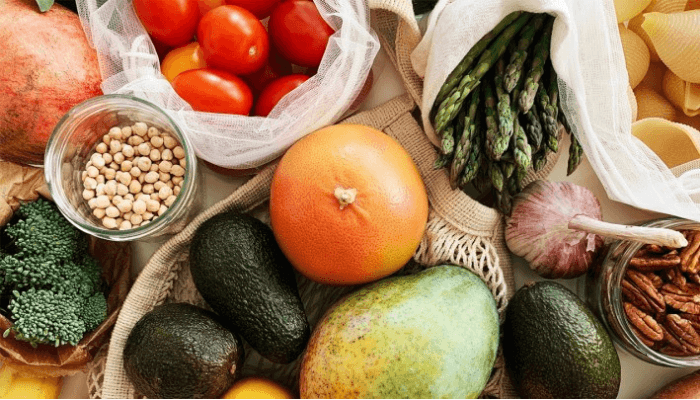
Natural seasonings such as garlic, ginger, black pepper, turmeric, etc, Water is the best option for staying hydrated this can be sweetened with fruits, by adding a slice of fruit (cucumber/strawberries/orange/lime/mint leaves) to a cool glass of water, fruits can also be juiced or made into a smoothie, hibiscus tea (zobo) and pure cocoa can also be taken.
Replace all teas with decaffeinated teas such as Tetley decaf or PG decaf, Lean meat (meat without fat), goat meat, skinless chicken, scaly fish (titus, croacker, salmons, tuna, hake, panla, cote, express), eggs (not more than 3 per week boiled or poached), Skimmed milk (powdered or evaporated), low fat yoghurt and all fruits and vegetables.
Diet is a fun, controlled, and easy way to supply the body with a sufficient amount of nutrients needed per day, for this to work effectively a few things need to follow a few steps;
However, adhere strictly to the diet and be sure to contact me if there is any difficulty. This diet is specifically tailored to a person and a particular need and as such should not be shared with other people without prior consultation.
Be sure to drink at least 3L of water daily and be active, at least 30 minutes of physical exercise (brisk walks, aerobics) per day. At times when you might want to skip a meal, remind yourself that your food is your medicine and you have a goal to achieve.
Be sure to be regular on your check-ups, get a notebook preferably and write down daily your sugar level (done twice daily- first thing in the morning and at night) and blood pressure (first thing in the morning and before bed), Also get a notebook that would serve as a food diary, to write down what you eat daily.
Eat a variety of foods each day but adhere to the prescribed quantity, if you have a meal that is not included in the diet and you would like to eat please consult your dietitian for appropriate food portion. Great mental health helps a diet work effectively, be sure to stay happy.
Meanwhile, the method of cooking is also very important, the following methods should be encouraged as they conserve nutrients and do not require am excessive amount of oil; Baking, Grilling, Boiling, Steaming, Poaching.