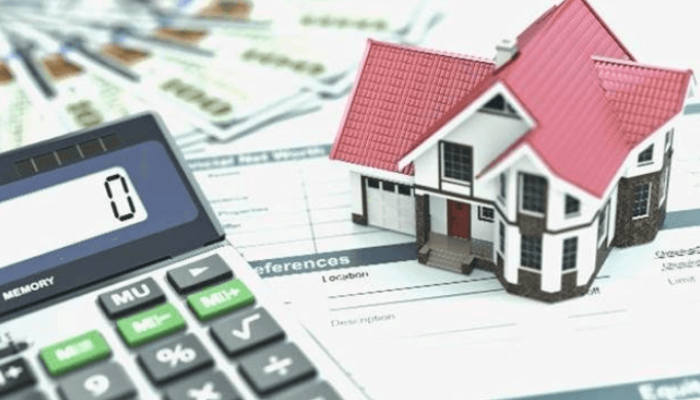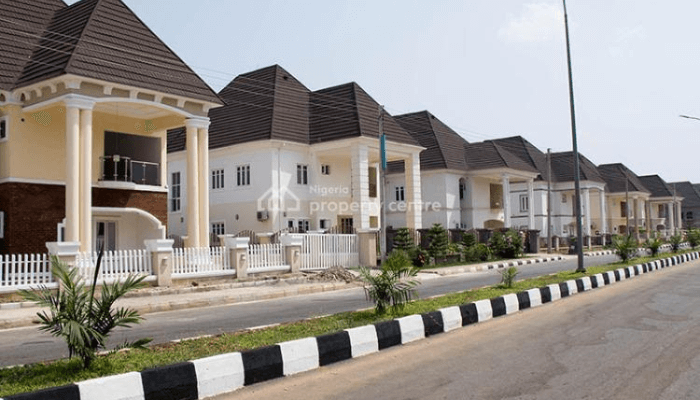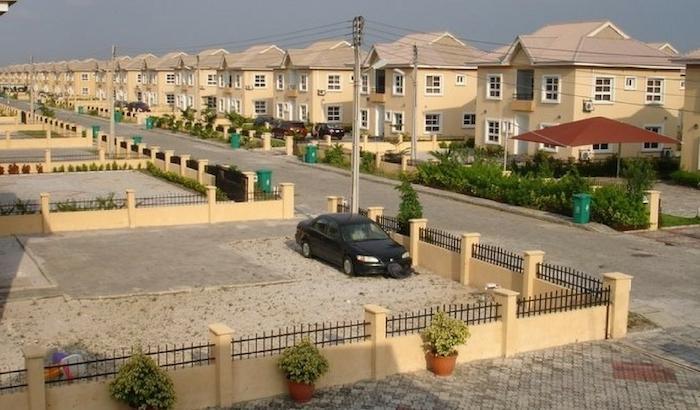
Building low-cost houses are not practicable in Nigeria because such a venture is not economically viable, the Federal Government and property developers in the country have said.
Though other housing sector stakeholders say building houses for low-income earners is economically viable, government and investors insist that it does not make economic sense, citing the cost of land, building materials, and high-interest rates.
“If you want low-cost housing, where is low-cost land, low-cost cement, low-cost doors, and low-cost labour to deliver low-cost housing?” Babatunde Fashola, Nigeria’s minister of works and housing, asked at a media programme in Abuja recently.
The minister explained that he had not been talking about low-cost housing because “there is no low-cost land; what government can do is to make the houses affordable and dignified”.

Bamidele Onalaja, Lagos State chairman of Real Estate Development Association of Nigeria (REDAN), affirms, saying it would be difficult to have, for instance, a N2 million house on the market without the government providing the land.
He stressed that land had remained a big factor in house production, hence the need for government to do more by providing free lands, which complicates the matter further as the government says there is no free land.
According to the REDAN chairman, part of the reasons houses are costly in Nigeria is the price of land which, he explained, depends on location and building materials.
This validates findings by the Centre for Affordable Housing based in South Africa, which notes that the lowest cost of a house produced by a private developer in Africa at the cost of $8,000 (about N2,999,900) is affordable to only 26 percent of the urban population in Nigeria.
At a press briefing recently, Ayodeji Ojo-Omoniyi, group executive secretary, Adron Homes, and Properties, said his company would build affordable instead of low-cost housing because they are in business to make a profit and not to solve other people’s problems.

Ojo-Omoniyi said their focus was on middle-income earners to whom they deliver decent and quality houses and find ways of making the purchase easy for them through flexible payment plans and discount sales strategies.
Tolulope Onalaja, executive director at RevolutionPlus Property Development Company, also explained why low-cost housing was not possible in Nigeria, citing cost and time of property registration and documentation, calling for speedy processes for land titling and documentation, which still has no timeframe to complete transactions.
“In the United States, you can get your title under 48 hours, but it is different here; governor’s consent can take up to two years as there is no time frame; it is becoming a big challenge because you cannot get a time frame and relate same to Diasporan Nigerians that buy properties from developers like us,” Onalaja said.
“Government should give a timeframe for getting titles and allow for more coordinated ways of searching and getting titles. Government still has a lot to do as regards the Omonile malaise, and property taxation, which is killing businesses. They should give tax holidays to companies and encourage private businesses that are still trying to survive,” she said.
But Fashola was of the view that going forward, every decision taken in the housing sector had to be driven by hard data with adherence to market segmentation.
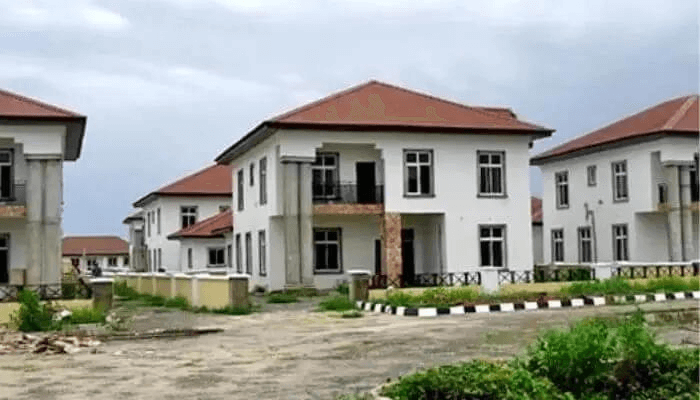
He recalled that some houses built by the Shehu Shagari administration in the 80s in the North had been left unoccupied because no survey was carried out as to the taste of those who needed them.