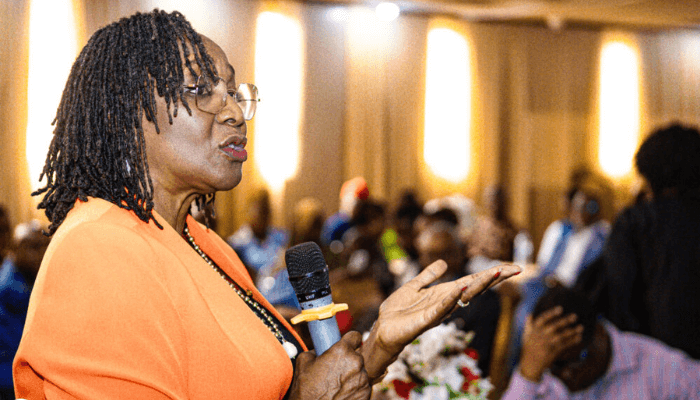
Head of Counselling, Greensprings school, Theresa Nkennor has identified neglect which is a case of the absence of a caring adult in a child’s life as a major form of child abuse that is common but not often acknowledged in Nigeria today.
Nkennor observes that neglect in the lives of children causes them to have attachment issues, adding that Greensprings school number one core value is child centeredness as every employee is expected to understand how to relate with, protect and safeguard children.
Speaking on the topic ‘Neglect as a form of child abuse’ during a child protection training for new employees organised by Greensprings School held at the Anthony Campus, Nkennor opines that children deserve to be protected, so as adults we need to think safety and take responsibility for the safeguarding of children.
Read also: Greensprings School adopts new innovative technology to enhance teaching, learning

The essence of the child protection training was to provide employees with the knowledge and ability to recognise different types of abuse and learn how to safeguard children both within and outside the school premises. The training also served as an avenue for new employees to interact, share experiences and talk about proactive ways to protect children.
The cousellor explained some of the factors that can increase the risk of child abuse such as; unhealthy family relationships, exposure to alcohol or hard drugs, unemployment and neighbours unwillingness to intervene, and ensured that each employee understood the meaning of child abuse, the different types of abuse and how to recognise when a child is being abused.
She further said that spending time with parents help children build bonds. “When kids are not able to connect with other people, it’s because they are being neglected, especially at home. This often causes them to act out and it can also negatively affect their academic performance,” she said.
“At the end of the training we should be able to tell the possible signs that a child is being abused whether emotionally, physically, verbally, or sexually, or if the child is a victim of neglect.” Nkennor said.