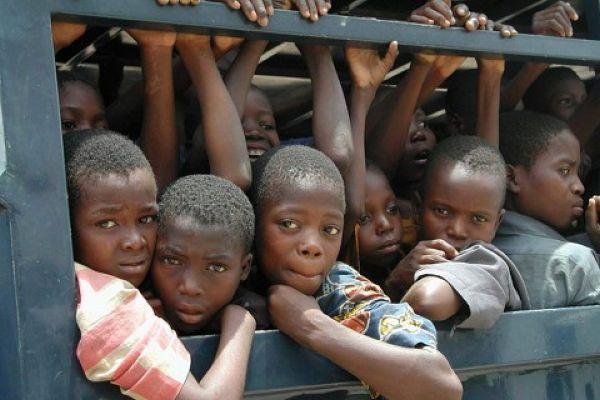
The Women Trafficking and Child Labour Eradication Foundation (WOTCLEF) says it has rescued, rehabilitated and empowered 11,680 women, boys, and girls who were victims of sexual abuse, child labour, and human trafficking.
The founder, WOTCLEF, Amina Abubakar, who disclosed this on Tuesday said some of the victims had been empowered with education and skills, while others received financial support in the form of microcredit to start up their desired businesses. The foundation started in 1999.
Abubakar, speaking on the occasion of the foundation’s 20-year anniversary in Abuja, said the victims during their rescue suffered varying degrees of trauma and health challenges especially HIV/AIDS, but added that most of them had become employers of labour.
Abubakar disclosed that she started the foundation in a move to curb the high incidence of trafficking in persons, saying that WOTCLEF had achieved laudable successes. She, however, urged the federal government and relevant stakeholders to intensify efforts to ensure that the menace of trafficking in persons is curbed, and specifically to ensure that perpetrators were duly punished.

Also read:Â Dangote flags off micro-grant scheme in Sokoto, empowers 358,490 women in 10 states
Meanwhile, Julie Okah-Donli, the director-general of the National Agency for the Prohibition of Trafficking in Person (NAPTIP) announced plans to introduce issues around human trafficking in primary and secondary school curricular.
The NAPTIP DG represented by the Director Counselling and Rehabilitation Ebele Holasa explained that the infusion will increase awareness and help reduce incidences.
“We have gone 45 percent and very soon, issues of human trafficking will go into the curricular, as this will create a sustainable sensitisation from the grassroots, which can be transferred from generation to generation,� she said.
WOTCLEF also launched a trauma centre, which, according to the foundation’s Executive Director, Inmabong Sanusi, will rehabilitate traumatised victims through art.

“These children are traumatised because they have gone through sexual abuse, child labour, and others. But this centre avails them the opportunity to use their hands, mind, and heart to become creative, and tell their stories through art to facilitate the healing process,� she said.
Â