Nigeria has recorded a 0.6 percent appreciation in the naira-dollar exchange rate to N358/$ currently from N360 sold since June 2018 at the parallel and Bureau De Change (BDC) segment of the foreign exchange market.
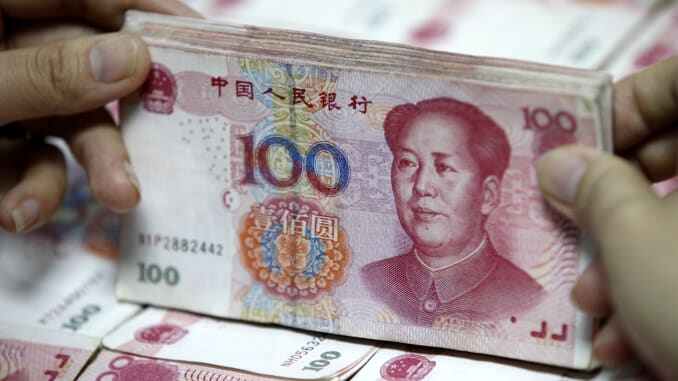
This was due to the lower demand for dollars and increased use of the Chinese Renminbi (Yuan) by importers.
“The Central Bank of Nigeria (CBN) is now selling Yuan to importers and that is removing the demand for dollars,” said Azubuike Igbokwe, a BDC operator in Anambra State.
The apex bank had in April 2018 signed a $2.5 billion currency swap agreement with the People’s Bank of China to facilitate trade between the two countries and enhance foreign reserve management.

Consequently, CNY237.6m (US$34.9m) was injected into the market by the CBN in the first quarter (Q1) of 2019, a report by FBNQuest indicated.
To access this segment of the window, the importer’s letter of credit must be denominated in Renminbi.
Other reasons, Igbokwe noted, included increased dollar liquidity as the CBN has continued to intervene by selling dollars in the forex market.
The CBN on September 11, 2019, injected a total of $210 million into the inter-bank market.
A breakdown of the intervention showed that the wholesale segment of the market was offered the sum of $100 million, while the Small and Medium Enterprises (SMEs) segment received the sum of $55 million. The sum of $55 million was allocated to customers requiring foreign exchange for Invisibles such as tuition fees, medical payments and Basic Travel Allowance (BTA), among others.

Isaac Okorafor, director, corporate communications department of CBN, assured of the apex bank’s commitment towards ensuring stability in the foreign exchange market.
On September 6, the CBN intervened with the sum of $321.11 million and CNY33.3 million into the Retail Secondary Market Intervention Sales (SMIS) segment.
Other analysts believe the CBN’s restriction of certain items from accessing foreign exchange has contributed to low demand for dollars.
A Lagos-based importer told BusinessDay by phone that he had held on to importation while waiting and watching the government regarding its policies.
The importer who preferred to be anonymous said some of the importers who are still importing chose to source the dollar from the parallel market instead of the official window which requires filling Form Q documents.
The apex bank had on April 10, 2017, opened a special forex window for SMEs for import of eligible finished and semi-finished items not exceeding $20,000 for an enterprise per quarter.
One of the reasons the small scale importers are pushing patronage to the parallel market is because the margin between official rates and parallel rates is not much.
The importer said they accessed the dollar at N357 when it was sold at N360 at the parallel market (N3 difference) but currently the difference is about N1.
Apart from that, they are comfortable with the 0.5 percent cost of outbound transfers compared to when the banks were charging about 2 percent of the value of the fund.
Gross official reserves fell sharply by US$1.30bn in August to US$43.61bn, and by a further US$460m through to September 5, according to FBNQuest.
The apparent driver was the exit of foreign portfolio investors (FPIs) amid the current global headwinds. In contrast, Egypt reported a marginal increase in its reserves.