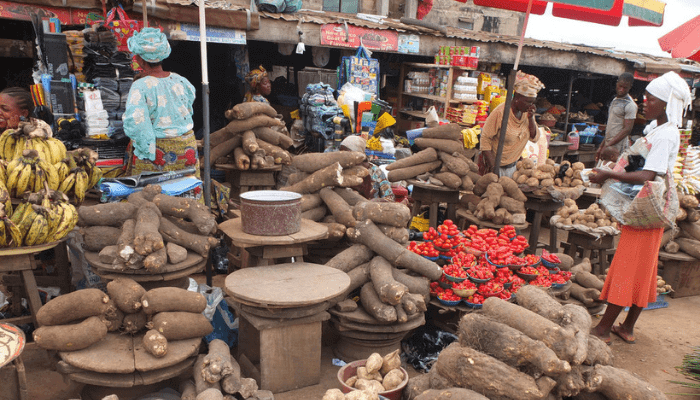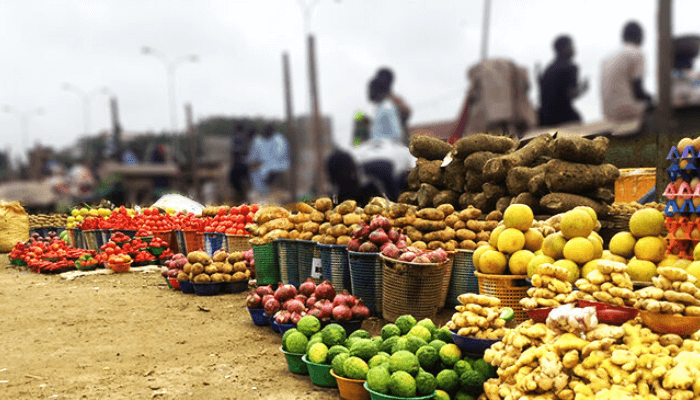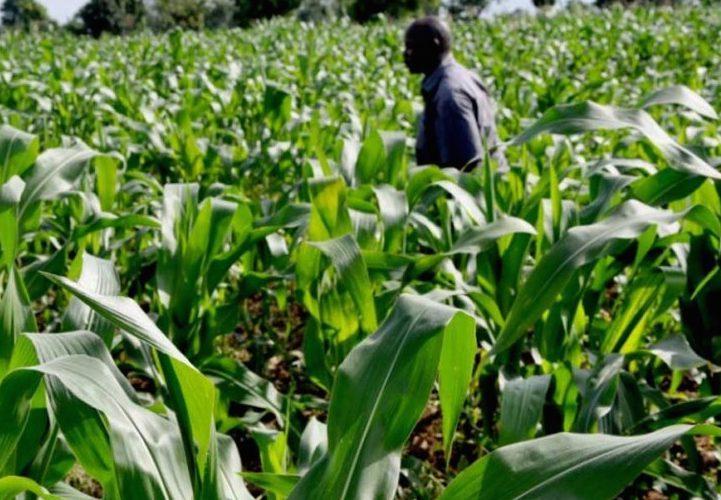
The World Bank on Thursday lamented Nigeria’s continued neglect of its agriculture sector which is costing the country as much as $10bn annual losses despite huge potential of jobs and wealth.
World Bank Senior Agriculture Economist, Adetunji Oredipe, who was the keynote speaker the at the Sterling Bank agriculture summit holding in Abuja, said if Nigeria had held to its market share in palm oil, cocoa, groundnut and cotton, it would be earning at least $10 billion per year from these commodities and depend less on oil.
This year’s summit, themed: “Agriculture- your piece of $ 1 trillion economy ” was inspired by the World Banks’s projection that the agriculture would exceed one trillion dollar market within the next decade.
Oredipe raised the concerns that Nigeria has now become one of the largest food importers in the world despite comparative advantage.

“In 2016 alone, Nigeria spent $965m on the importation of wheat, $39.7m to import rice and $100.2m on sugar imports. The decision to spend $655Million on fish importation seems financially indiscreet given all the marine resources, rivers, lakes, and creeks in Nigeria.”
“None of the above transactions is fiscally, economically, or politically sustainable,” he noted at the event, well attended by government officials and private sector operators.
He explained that under-capitalisation has hindered the sector over the years as the banks’ lending to agriculture sector remain poor at 3 percent, coupled with perceived high risk of investment and demand of collateral.
“Nigeria has over the years lost its place in the agriculture sphere as it has in recent time recorded a drop in its agriculture export activities. Nigeria is no longer listed among the first 50 nations in agriculture export”.
The World Bank specialist said failure of the country to maximally utilise her potential in agriculture was responsible for the poor quality life of majority of its citizens.

“This problem has greatly affected her quest for improved quality of life for Nigerians. Nigeria has huge agricultural potential evidenced by an arable land potential of 98 million ha, out of which 74 million ha is cultivatable. Sadly, till to-date, Nigeria’s agricultural potential remains untapped. Only 34 million ha (being 48%) is currently being cultivated for agricultural uses,” he said.
Quoting the FAO report on Competitive Commercial Agriculture for Africa, he expressed concerns that Africa, especially Nigeria and Mozambique, have vast areas of savannahs that can become the breadbasket for the rest of the world, if properly harnessed.
According to the International Food Policy Research Institute, the value of agriculture in Nigeria at constant 2010 dollars was 110 billion dollars (World Bank, 2016). This is projected to grow to 256 billion dollars by 2030. The growth is expected to come from yield expansion (44%), area expansion (33%) and diversification into high value crops (23%)”.
“In spite of this huge agricultural potential, Nigeria which used to be the major player in agriculture in the world, has lost its place in the global community. In the 1960s we had glory. That glory was visible and significant for the global community to recognize and applaud. Nigeria accounted for 42% of the world’s exports of shelled groundnuts. Our total export volume was 502, 000 MT. This declined to 356 MT by 2016 (FAOSTSAT, 2016)”, he added.
On the way forward, Oredipe saw an urgent need to overhaul policies and to get private sector buy-in while also focusing on agricultural value chains and not just on increasing production.
“To reverse this trend, we must articulate a clear vision to achieve a hunger-free Nigeria, through an agricultural sector that drives income growth, accelerates achievement of food and nutritional security, generates employment and transforms Nigeria into a leading player in global food markets”.
“In doing this, our vision should be to revive the rural economy by transforming Nigeria into an agriculturally industrialised economy, create wealth, jobs, and markets for farmers.
“We must adopt an ambitious agricultural promotion strategy, one that is focused on a combination of transformational policy reforms and private capital investments with a promise to expand the benefits to millions of Nigerians “.
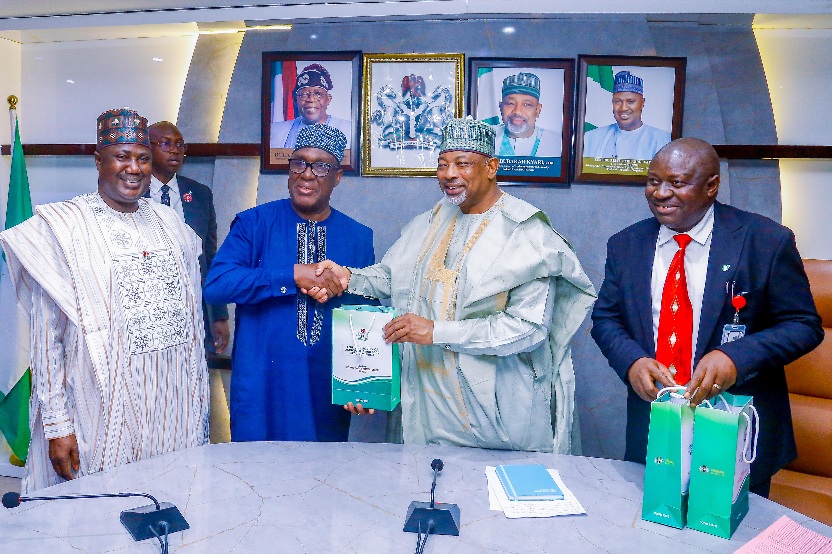
Vice- President, Yemi Osinbajo pledged federal government’s commitment to developing agriculture, which according to him, is central to government’ s economic diversification programme.
“Our agenda is to guarantee the vibrancy of the sector; agriculture must be seen as a business and haven for investment,” said Osinbajo who was represented at the event by the Minister of state for agriculture, Mustapha Baba Shehuri.
He also assured government would ensure growth of the sector as it has a huge potential for job creation, poverty reduction as well as promoting sufficient food for the citizens.
“We have various initiatives in the agriculture sector, such as ensuring certification policy that will ensure quality standard of food for export, facilitate modern abattoirs, as well as agro rangers to protect the lives and properties of the farmers”, he said.
According to him, the summit would help in creating the needed awareness and increase the vibrancy of the sector’s stakeholders”.
In a remark earlier, Managing Director of Sterling Bank Plc, Abubakar Suleiman, espoused the bank’s unflinching lending support to agriculture sector.
Suleiman said the bank had committed over N55 billion lending support to the agric sector in the last seven years. The bank, the MD said, had fulfilled its pledge to set up farmers’ radio, a medium to assist farmers access to information. He said the radio is currently broadcasting in 13 stations.
Chairman, Sterling Bank, Asue Igholalo in his remark stressed that the revitalization of the agriculture sector is a key project to ensure national development adding the sector has not attract the adequate funding required for its maximum productivity.
“Agriculture is the most dynamic structure of the Africa economy, but it still does not have adequate funding. Access to finance is key to unlocking the sector’s potential”.
Igholalo further lamented the huge losses recorded in the sector due to decrepit infrastructure and finance deficit, adding that efforts geared towards improving the sector should be promoted to ensure production of food for the people and for exportation.
“Agriculture remains the focus area that can produce the trillion dollar economy growth. We cannot build a long term economy on the back of oil receipts,” he said.
He added that Sterling Bank, as a show of its commitment to the agriculture sector, has dedicated 10 percent of its loan portfolio to boost the activities of the sector.
Onyinye Nwachukwu & Cynthia Egboboh, Abuja