Has backward integration been profitable for manufacturers using agricultural raw materials in Nigeria? The question is not one that will likely get a yes or no response, as reactions will vary across companies. A common denominator however appears to be; it is the way forward and cheaper, more efficient ways of producing raw materials locally have to be developed.
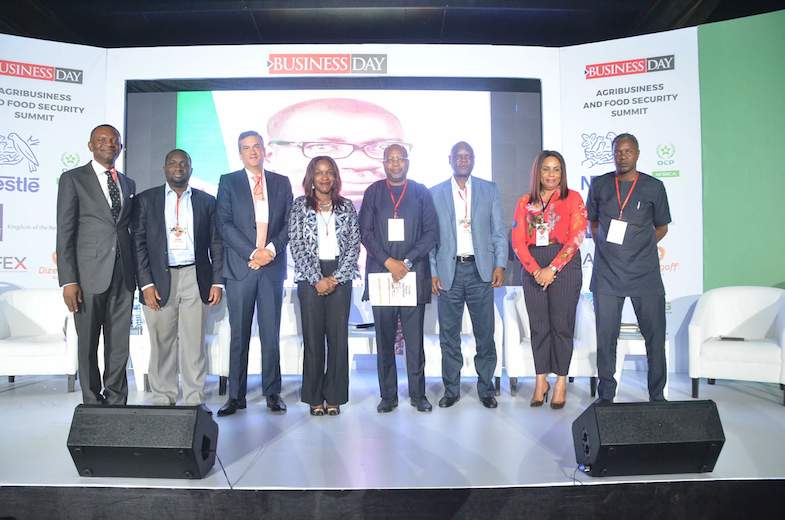
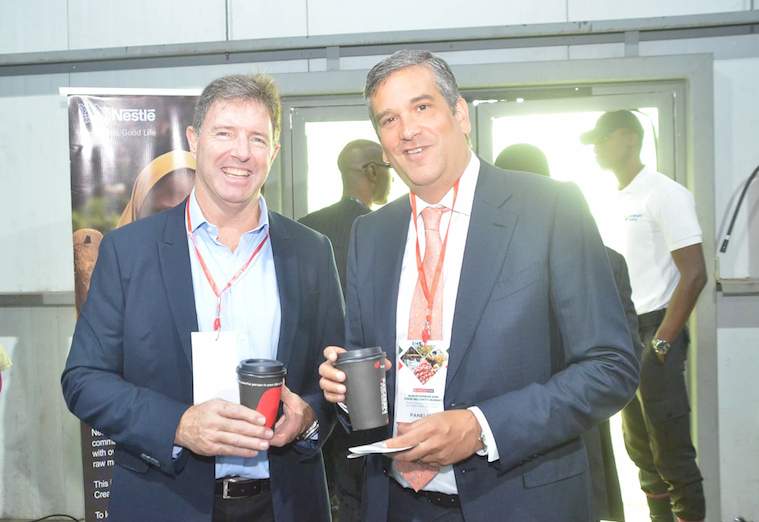
Leading this charge at this year’s edition of the BusinessDay Agribusiness and Food Security Summit held last week was Mauricio Alarcon, CEO of Nestle Nigeria Plc. “Does it make sense when your factory stops because you don’t have the raw materials?” Alarcon asked, while speaking on a panel on; Improving the attractiveness of local backward integration for multinationals in Nigeria.
For him, the question when it comes to investing in the production side of agriculture is not whether it is profitable, but if it makes business sense. Again, he asked; Does it make business sense when you have to stop one of the largest factories in the world for days because your raw material was stuck in the port? Or because you didn’t have FX? At the end of the day you don’t know if you will get the product in one month or two months because of other issues.
As Alarcon explained, it makes sense to emphasise backward integration and be able to ensure sustainability. It is not about immediate profit but ensuring sustainability of the business in the long run.

At present, Nestle works with primary producers across the different value chains the company’s raw materials come from, to be able to build a sustainable supply chain.
Nestle has in the last five years locally sourced 51,010 metric tonnes of Corn; 37,483 metric tonnes of Sorghum; 33,688 metric tonnes of Soya Beans; and 13,372 metric tonnes of Cassava starch, according to data shared with BusinessDay.
However, as attested by even Alarcon, sometimes, sourcing local may be expensive, but in the long run, the investment is worth it.
“Building backward integration in agriculture is hard work, requires patience, and commitment,” Alarcon said.

Another panellist, Sadiq Usman, deputy chief operating officer of the Agro-Allied Division, Flour Mills of Nigeria Plc, corroborated the need and intention by his company to deepen its efforts in backward integration. According to him, there are immense potentials across several value chains in Nigeria, if only local capacities have been developed to meet the needs of industry.
There are vast potentials for value addition and export across virtually all value chains in Nigeria, but as Usman noted, “We are not yet making the kind of money that we should in these value chains”.
Using two out of five value chains FMN operates strategically, Usman identified the Cassava and Edible Oils value chains, among those that are highly required both by industry and by even consumers in Nigeria. Today, Flour mills has invested in cassava starch and Garri, making the company the first industrial producer of Garri in Nigeria, also producing High Quality Cassava Flour (HQCF). In that value chain, the key issue is constant supply of raw material.
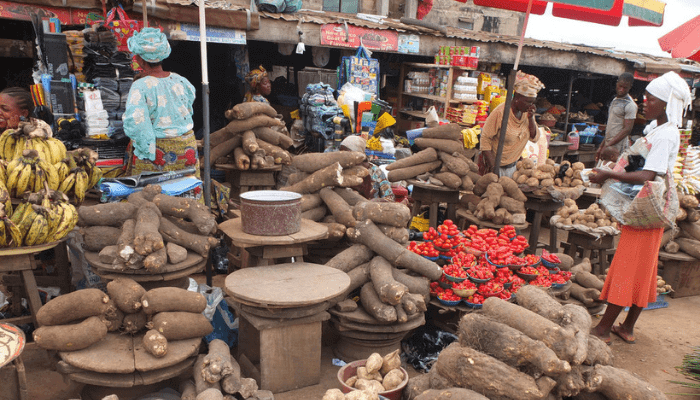
As Usman notes, the value add of Cassava in Nigeria relative to say Thailand, is very low. Out of as much as 57 Million MT of cassava produced annually, what percentage is value added in Nigeria? The answer is of course, a very low proportion, considering the bulk of Cassava goes into processing food items like Garri and Fufu.
Yet, Nigeria imports over 90 per cent of Starch, Ethanol, Sweeteners, Glucose, and other by-products of Cassava. These are huge opportunities, in just one value chain alone, and if it is fixed, the challenges of low supply will be effectively addressed. For processors like Flour Mills and others, the big question is; how can they get more, consistent supply of quality Cassava products for their industrial needs.
The takeaways continue next week…
CALEB OJEWALE