The Ministry of Petroleum Resources has called for the nomination and inauguration of the Nigeria Gas Flare Commercialisation Programme (NGFCP) Proposal Evaluation Committee (PEC) and Independent observer Group (IOG).
The Proposal Evaluation Committee (PEC) is to evaluate the submission of Statements of Qualification (SOQs) to determine qualified applicants, and evaluate proposals submitted by the qualified applicants.
Co-ordinator of the programme, Justice Derefeka, minister of Petroleum Resources Emmanuel Ibe Kachukwu had also approved three nominees from the development partners advisory team, three nominees from NEITI, and two nominees from Oil Producing Trade Section (OPTS) of the Lagos Chamber of Commerce and industries (LCCI) as independent observer Group (IOG) for the evaluation processes.
After the constitution of the of the Proposal Evaluating committee PEC there would be a two -day training for them and the Independent Observer Group (IOG) members by Messrs Gas Strategies under the US Power Africa Assistance between April 2nd and 3rd.

The commencement of the SOQ evaluation and qualification process is scheduled to start from Monday 15th April 2019 – Friday 24th May 2019.
It would be recalled that as part of the Federal Government’s strategy to reposition the oil and gas industry, the Ministry of Petroleum Resources began the implementation of initiatives to foster efficiency and attract investments into the oil and gas value chain as embedded in the “7 Big Wins – Short and Medium Term priorities to grow Nigeria’s Oil and Gas industry.”
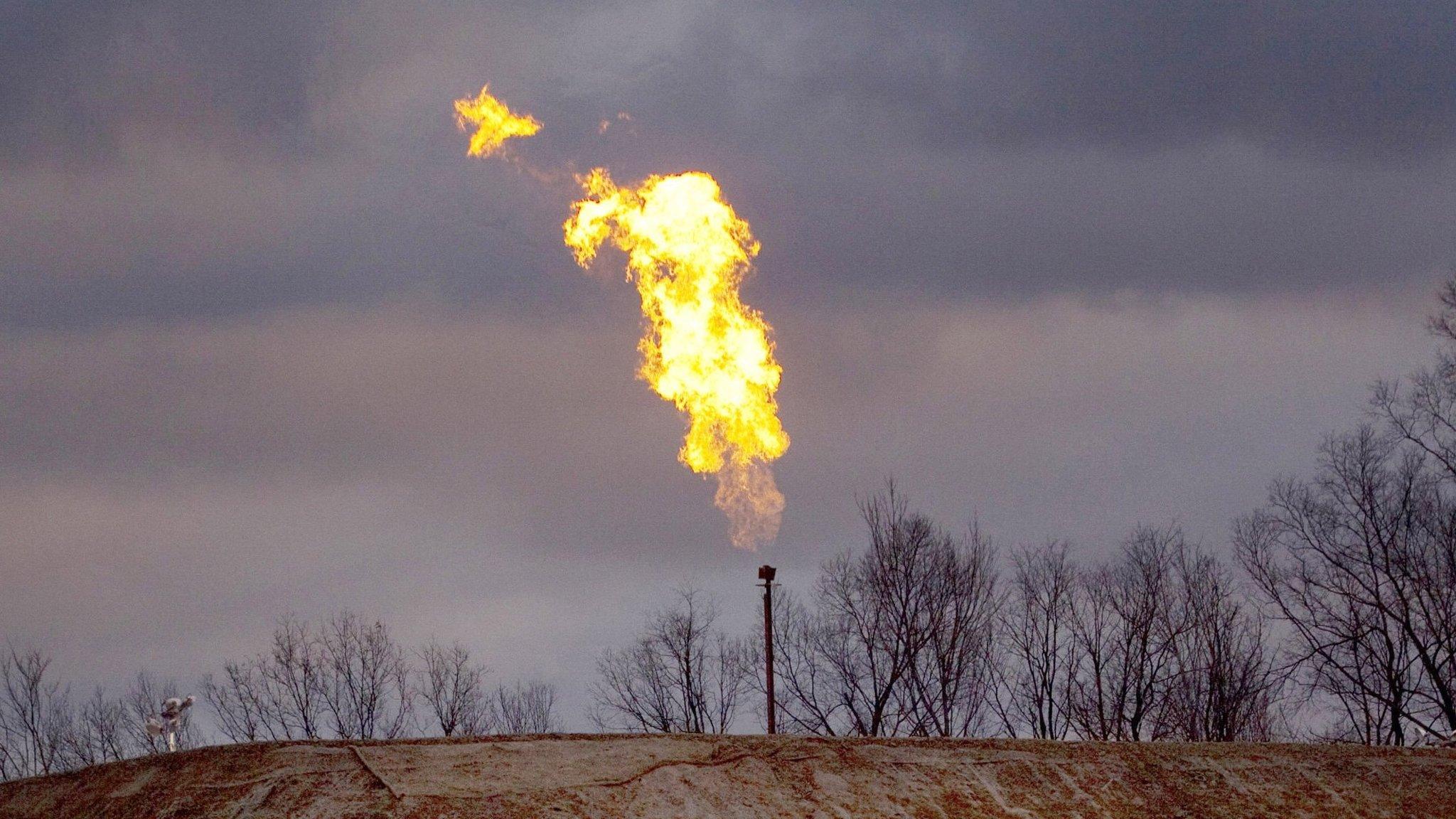
The NGFCP is designed as the strategy to implement the policy objectives of the FG for the elimination of gas flares from Nigeria’s oil and gas fields in the near term (2-3 years), with potentially enormous multiplier and development outcomes for Nigeria. It is also designed as the contribution of the petroleum sector to Nigeria’s Intended Nationally Determined Contributions (INDC) under the Paris Agreement (COP21).
At present, over 700 investors have registered to download the RfQ package to submit their statements of qualification (SOQs) for participation in the programme. In terms of developmental impact, the NGFCP benefits range from an overall inward investment of around US $3 – 3.5 billion; a potential annual revenue/gross domestic product (GDP) impact around ~ US $ 1 billion/annum. The NGFCP could also generate approximately 300,000 direct and indirect jobs and unlock and supply around 600,000 MT of liquefied Petroleum Gas (LPG) product to six million homes in Nigeria.
To support this strategy, the Federal Government included gas flare reduction as a key national greenhouse gas emissions mitigation in its NDC under the United Nations Framework Convention on Climate Change (UNFCCC). The Federal Executive Council in June 2016 approved the Nigerian Gas Flare Commercialization Programme (NGFCP). Consistent with Nigeria’s commitments for reduction of GHG under the Paris Climate Change Agreement, the programme will reduce Nigeria’s CO2 emissions by approximately 13 million tons/year, which could be monetised under an emission credits/carbon sale programme.

Olusola Bello