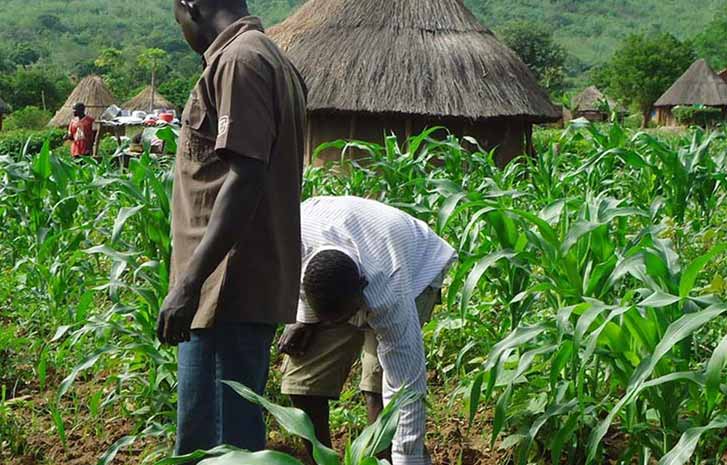
The Nigeria Incentive-Based Risk Sharing for Agricultural Lending (NIRSAL) is considering bringing prompt relief to hundreds of farmers affected by the on-going flood ravaging farmlands by working with stakeholders across the agricultural value chain.
NIRSAL is particularly working with the Nigerian Insurance Company (NIC), to document the effect of the flood on rice, sorghum, and millet farmers in Kano, Katsina, Jigawa, and Kaduna states with the view of assisting the farmers meet their loans obligations to banks where the facilities were obtained.
Danladi Mato, branch manager, NIC, Kano zonal office, made this disclosure to BusinessDay during a five-day capacity development training programme organised by NIRSAL for stakeholders in the agricultural value chain held recently in Kano state.
Danladi disclosed on the sidelines of the training programme that NIC has kick started the process of collecting the names of the affected farmers, whose farms are insured with the view of helping them meet the obligations of loan re-payments.

“On the issue of flooding ravaging most states in northern Nigeria, in order to assist those that obtain insurance cover for their farms, we have initiated talks with the leadership of the various farmers associations and those who are insured with us, we are collecting names right now, in their various offices,” Danladi said.
“The associations we are currently in talk with include the Rice Farmers Association of Nigeria (RFAN), and Sorghum and Millet Growers. After the collection of names it will be followed with an assessment of the level of damage caused by the flood on each farmland.
“When we are able to ascertain the level of damages, we then step up with the settlement of their loans to the banks, what this mean is that they do not need to worry about how to pay their loan to the banks, as the company will now take over the obligation” he explained.
Sanusi Gulac, chairman, Sorghum-Millet Farmers Association of Nigeria said thethe(SMAN), one of the participants at the stakeholders meeting, described the move by NIC and NIRSAL to get prompt compensation for the affected farmers is a positive efforts towards the government food security quest.
“We have being educating our members about agricultural Insurance policy, and the need for them to enlist in it. We are aware that most farmers in northern Nigeria are not exploring the insurance, some of these reasons why most of them do not participate, ranges from cultural and religious factors,” Gulac said.

“We have been trying our best to ensure that the farmers embrace insurance because of the growing risk involved in the practice of agriculture in the country. There are disasters which are not known before that are now with us and insurance is one of the way of mitigating effect of the disasters.
“The insurance policy was conceived to assist the farmers with stand the effect of this kind of disasters. Our people are now being made to embrace insurance as it is now mandatory for any farmers seeking for loans to take insurance cover, so whether one like or not once you are a farmer and you want to take loan facility from the banks you need to sign for insurance” he stated.
In his address earlier, Babagana Mustapha, head of the Kano zonal office, NIRSAL, who presided over the programme, said that the NIRSAL `s organised workshop is the third leg of the series of training organized for stakeholders in the Agriculture value chain.
According to him, the participating stakeholders, includes: insurance companies, farmers associations, commercial banks, micro finance institutions, input suppliers, processors, and other, pointing out that the goal of the workshop was to bring them up to speed on the innovations, new idea, and technology products which if properly applied will assist them to improve their production
Babagana added that the workshop would fashioned to assist the stakeholders in boosting their profit- margins, boost production, and in the overall the nation`s food self- sufficiency, as well as reducing food importation, and enhance wealth creation by the citizenry.
Adeola Ajakaiye, Kano