



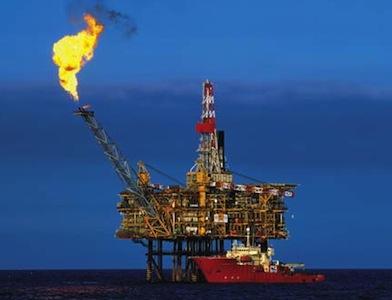
Nigeria, Africa’s top oil producer and largest holder of natural gas re¬serves in the continent, is home to the world’s ninth biggest gas reserves, with about 187 trillion cubic feet (Tcf) of proven gas reserves and 600 Tcf of unproven gas reserves.
In what could pass for the paradox of plenty, Nigeria continues to grapple with the challenge of gas supply short-fall to its power plants, which stoked the intensity of power outage shortly after new investors in the power sector took over power assets.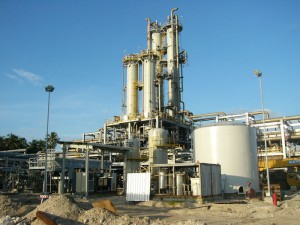
The volume of gas supply shortfall to the domestic gas market has been put at 400 million standard cubic feet per day and is expected to rise to about one billion cubic feet per day by the end of this year.
The increase in domestic gas con¬sumption, driven by the power sector, has highlighted the need for more investment to increase domestic gas production. But without a developed gas chain, as envisaged in the Nigeria Gas Master Plan, hopes of gas-powered turbines generating uninterrupted electricity will not materialize.

Gas flaring by oil companies is a major issue in the country. Nigeria is second to Russia in global gas flaring, according to the World Bank. The country’s annual gas flare is put at about 460 billion scf.
“Gas is extremely important for Nigeria. It has the world’s ninth largest gas reserves and we believe that these vast reserves can underpin economic growth and diversification to Nigeria through more power generation, more gas based industrial activities such as fertiliser plants to boost agriculture, petrochemical industries and also high value exports,” Mark Ward, chair¬man, Oil Producers Trade Section and managing director of Exxon Mobil Corporation’s Nigerian unit, said at a recent conference.
Will Nigeria effectively address the dearth of infrastructure and regulatory uncertainty hampering investment in gas? Will the bottlenecks threatening the implementation of the Nigerian Gas Master Plan which was unveiled five years ago be adequately dealt with?










