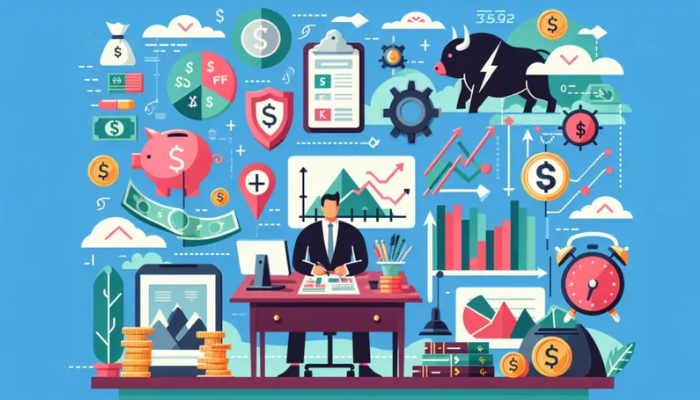
In today’s economy, investing isn’t just for the wealthy. Experts say small, consistent investments in areas like health, learning, and personal development can yield lifelong returns.
With limited funds, setting money aside for these essentials can lead to greater clarity, resilience, and long-term stability. It’s not about luxury—it’s about building a life that supports you, even when times are tough.
Read also: 8 most popular investing strategies across Gen Z, millennials, Gen X, and boomers
Here are 10 things you can start investing in, even with limited funds.

1. Your Health
Ignoring health concerns may appear cost-saving in the short term, but the long-term expenses often multiply. Aches and minor symptoms can develop into chronic issues. Prioritising regular medical check-ups, eating more nutritious food, and addressing discomfort early can reduce future medical bills and downtime. Health is a foundation for productivity and daily function.
2. Quality Sleep
Sleep affects memory, focus, and emotional resilience. Improving your sleep setup is an overlooked investment. A supportive mattress, a proper pillow, blackout curtains, or even a white noise machine can improve sleep quality. These tools support better rest, which contributes to clearer thinking and better decision-making.
Read also: 6 investment strategies that are paying off big in Nigeria
3. Books That Expand the Mind
Books are one of the most affordable sources of knowledge. A single book can shift perspective and introduce new ways of thinking. For a fraction of what is spent on eating out, anyone can access the insights of great thinkers. Books teach, challenge, and help individuals grow beyond their current limits.
4. Skills That Improve Earning Potential
Learning a new skill does not require formal education. Many platforms offer free or low-cost tutorials. Software, digital design, writing, and other in-demand skills are within reach. Developing abilities that increase your value in the market is a long-term investment with potential financial return.

Read also: Top 10 most improving places to do business and why
5. A Reliable Daily Routine
Routine offers structure. Creating one may involve small purchases—a coffee maker to avoid café trips, a tidy workspace to focus better, or classes to stay active. These are not luxury expenses but systems that support daily stability and productivity. The value lies not in the items, but in the habits they reinforce.
6. Relationships That Matter
Strong social ties contribute to emotional well-being and resilience. Relationships require time and sometimes, money. A visit to a close friend, a thoughtful gift, or shared experiences help strengthen connections. Early investment in meaningful relationships can prevent regret and isolation in the future.
Read also: Top 10 best places to do business in the world
7. Therapy or Coaching
Mental health support is not only for those in crisis. Therapy and coaching offer perspective, emotional tools, and accountability. Many community programmes also provide low-cost support options. These services help people process change, manage stress, and set goals. Being able to talk things through often leads to better outcomes.
8. Tools That Save Time
Efficiency matters, especially when juggling work and personal demands. Spending on tools that reduce friction—like a functioning laptop, meal prep appliances, or storage solutions—adds value through time saved. These tools reduce daily stress and free up energy for more meaningful work or rest.
Read also: Africa’s 10 riskiest countries for businesses
9. A Small Emergency Fund
A safety net, even a small one, can prevent stress in unexpected situations. Saving a few hundred naira regularly can build a buffer for car repairs, medical needs, or urgent travel. The purpose is not luxury but preparation. Peace of mind comes from knowing there is something to fall back on.
10. Small Moments of Joy
Joy does not always come from big events. Sometimes, it is a walk on the beach, attending a live performance, or starting a creative hobby. These experiences offer mental refreshment. Investing in joy is not a distraction—it is a reminder of why other responsibilities matter.